Wearing a 1:1 Clone Rolex: A Real Buyer’s Perspective on the 3285 GMT
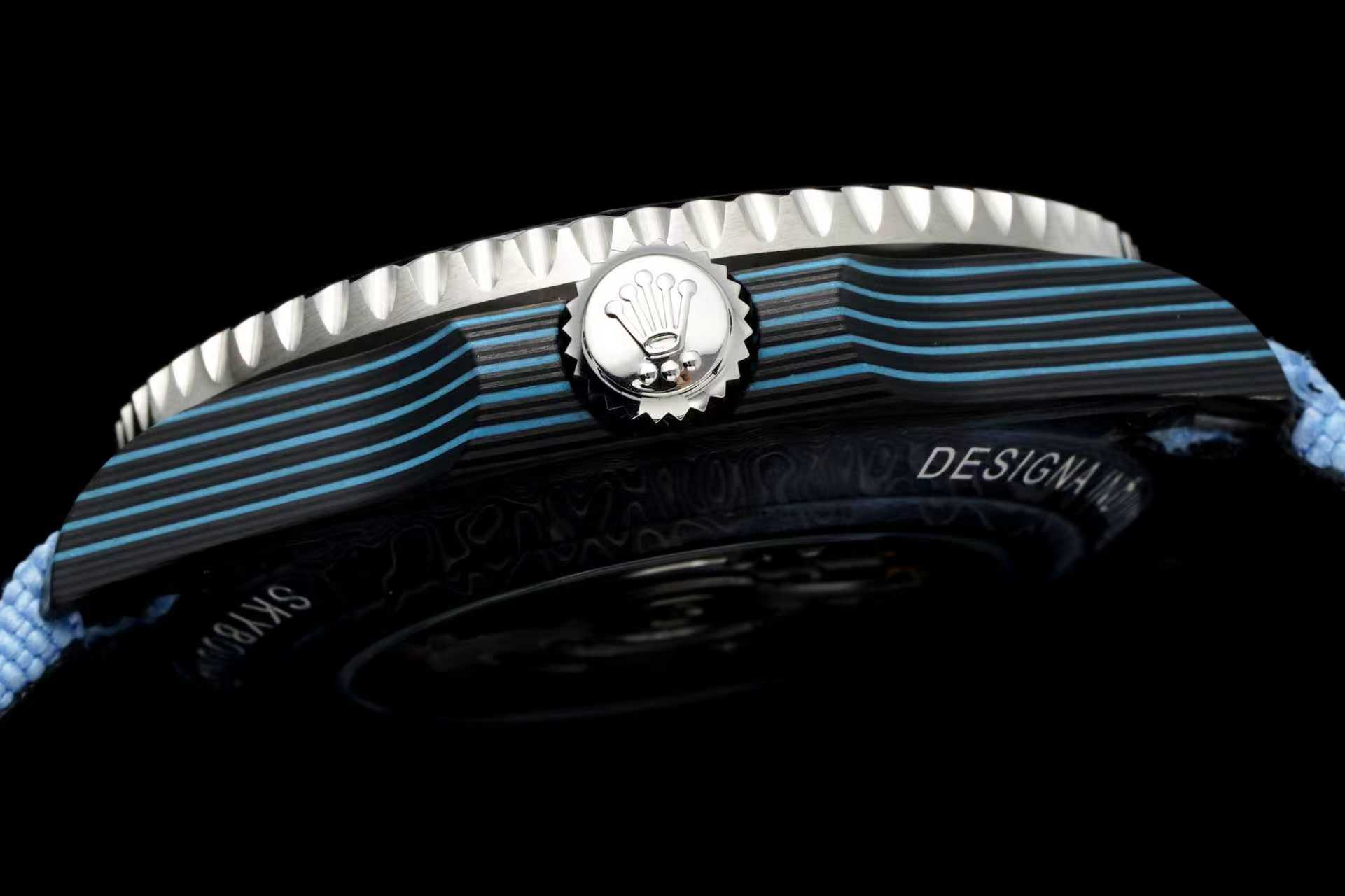
I have been buying and wearing high-end replica watches for over six years. In that time, I have owned pieces from Clean Factory, VSF, ARF, and a handful of smaller operations that no longer exist. I have sold some, kept others, and learned exactly what holds up after a year of daily wear and what does not.
This article is not a sales pitch. It is a record of what I have learned specifically about the 3285-powered GMT clones that have dominated the conversation since mid-2024. If you are considering a replica rolex GMT-Master II with the modern movement, I want you to understand what you are actually getting before you spend any money.
The 3285 Movement – What the Specs Actually Mean for Your Wrist
The single biggest reason to buy a modern GMT clone today is the 3285 movement. This is not a generic Asian movement with a GMT hand slapped on. It is a dedicated clone of the Rolex Caliber 3285, and it changes the entire ownership experience.
What the 3285 clone is
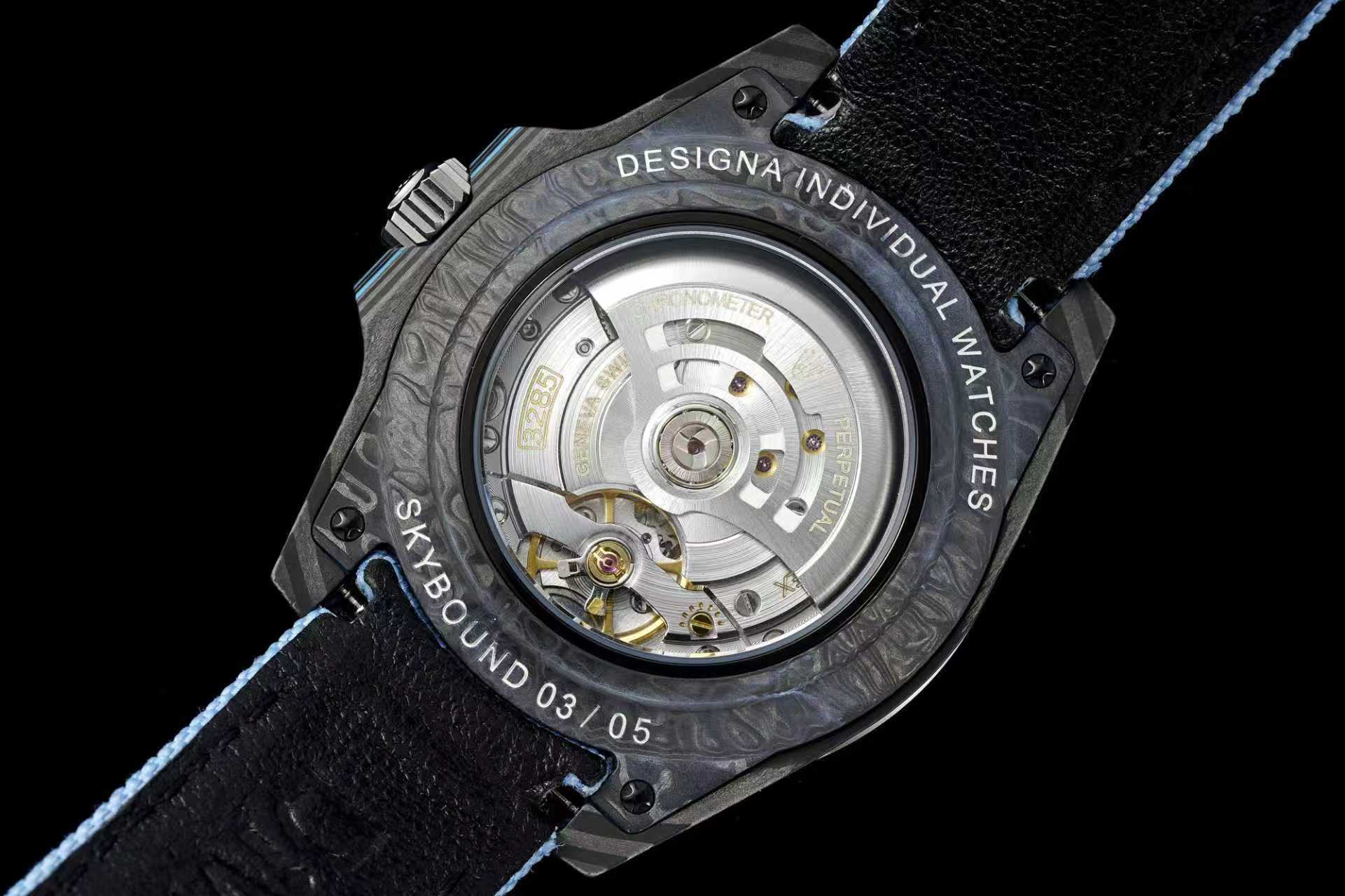
The 3285 movement in the best current batches is a 1:1 clone in terms of architecture. That means the gear train, the escapement, the winding mechanism, and the GMT module are all laid out in the same order and with the same proportions as the genuine Rolex movement. The most accurate versions come from VSF and Clean Factory, and both have invested heavily in getting the geometry right.
VSF’s version is the closest to the genuine movement that I have seen. It uses the same bridge layout, the same balance bridge (not a balance cock), and the same style of shock absorber. Clean Factory’s 3285 is also structurally identical to the original, but with slightly different finishing on the rotor and plates. From what I have seen, both are true 1:1 clones in the sense that they accept genuine Rolex parts. You could swap a genuine date wheel into either movement, and it would fit without modification.
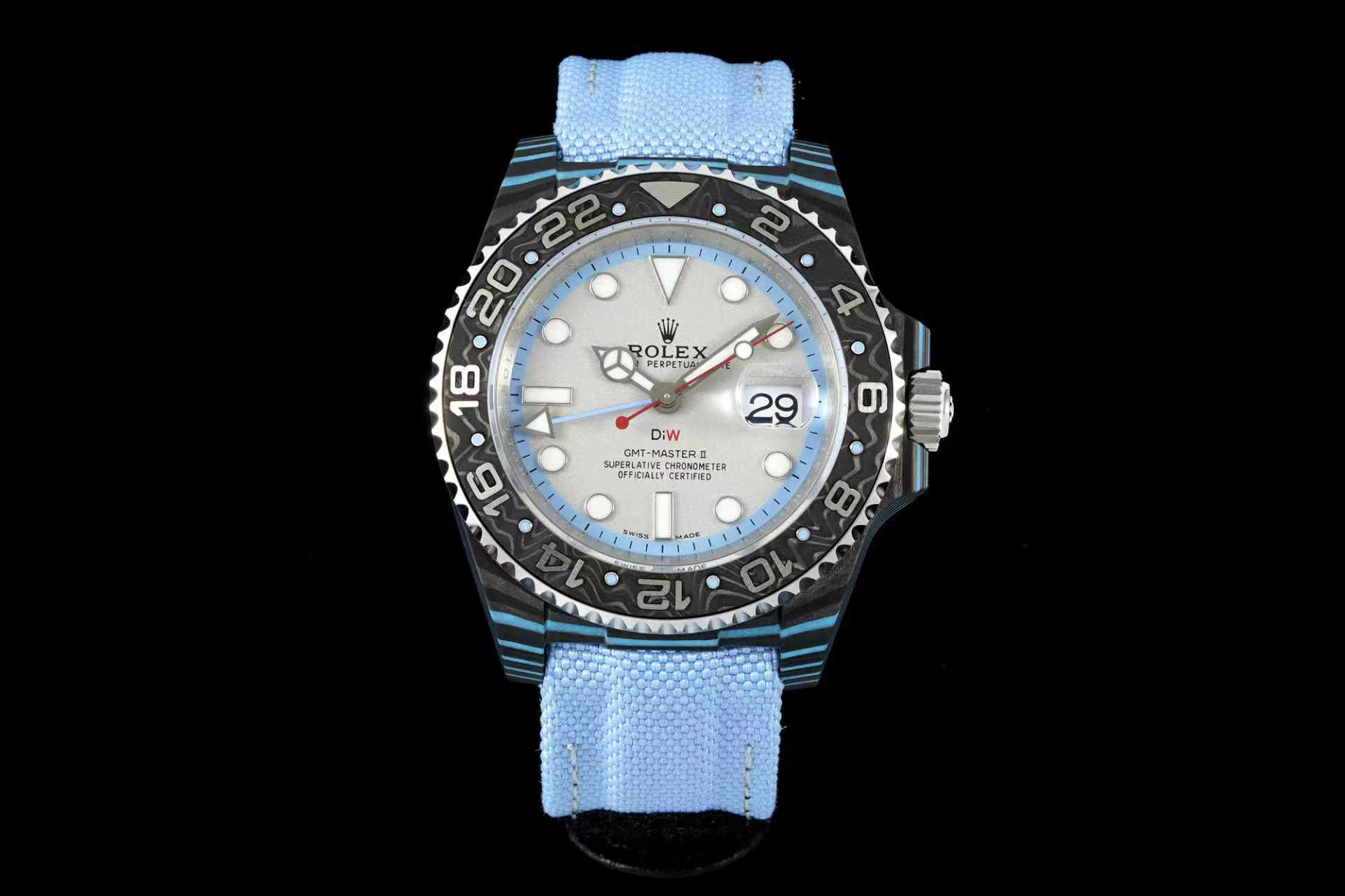
Power reserve and why it matters
The genuine 3285 has a power reserve of approximately 70 hours. The clones from both VSF and Clean deliver between 68 and 72 hours in real-world testing. I have personally worn a VSF 3285 for three days without winding it, and it was still running when I put it on the fourth morning. The exact number depends on how much you wind it initially, but the 70-hour figure is not marketing fluff. It is achievable.
This matters because it changes how you wear the watch. If you rotate between a few pieces, you can leave this one on a Friday evening and put it back on Monday morning without resetting the time or date. The GMT hand stays where you left it, the date is correct, and you are ready to go. That is a luxury that older clone movements, which ran for 40 to 48 hours, simply could not offer.
Stability and real-world reliability
Here is where I need to be honest with you. The 3285 clone is more complex than the 3135-based clones that came before it. That complexity means there are more things that can go wrong. However, the manufacturing quality has improved dramatically over the last two years.
In my experience, a VSF 3285 will run within +5 to +8 seconds per day out of the box. Clean’s version is usually within +6 to +10 seconds. These are not chronometer numbers, but they are perfectly acceptable for a watch that costs a fraction of the genuine article. The beat error is often around 0.2 to 0.4 milliseconds, which indicates a well-adjusted balance wheel.
The real question is longevity. I have two friends who have worn VSF 3285 GMTs daily for over a year. Neither has experienced a failure. I have also heard reports of seized rotors and broken GMT gears, but those cases almost always involve watches that were dropped or serviced by an inexperienced watchmaker. The movement is robust if you treat it well.
What you should know about servicing
This is the part that most buyers ignore until it is too late. The 3285 clone can be serviced by a competent independent watchmaker, but you cannot take it to a standard mall repair shop. Most local watch repair people will not touch it because they do not have the parts or the technical documentation. You need to find a specialist who works with clone movements. That adds a layer of hassle and cost that you should factor into your decision.
From what I have seen, the best approach is to buy from a source that offers movement regulation and basic servicing as part of the purchase. That way you start with a properly adjusted watch and delay the first service for three to four years. After that, you either find a specialist or accept that the watch has a limited lifespan. This is not a criticism. It is a reality check for anyone who expects a clone to behave exactly like a genuine Rolex service-wise.
Clean Factory vs VSF – Which One Should You Buy in 2026?
This is the most frequent question I get from other buyers, and there is no single correct answer. Both factories produce excellent 1:1 clone watches, but they emphasize different aspects of the build. The choice depends on what you value more: the case and bracelet feel, or the movement’s internal accuracy.
Clean Factory – the finishing specialist
Clean Factory has built its reputation on the quality of its external components. The case finishing on a Clean GMT is remarkably close to the genuine article. The brushing on the bracelet has the correct direction and depth, and the polished chamfers are sharp without being overdone. The bezel insert is also a differentiator. Clean uses a ceramic insert with a platinum-plated coating that gives the numbers a silvery sheen under light. It is not perfectly indistinguishable from the genuine insert, but it is very close.
The downside with Clean is the movement. Their 3285 is a good clone, but it is not as refined as VSF’s version. The rotor is a little noisier, and the winding feel is noticeably harsher. It still works perfectly, but it does not have the same silky smoothness that you get from a genuine movement or from VSF’s build. If you are the type of buyer who wears the watch for the way it looks and feels on the wrist, Clean is likely your better option.
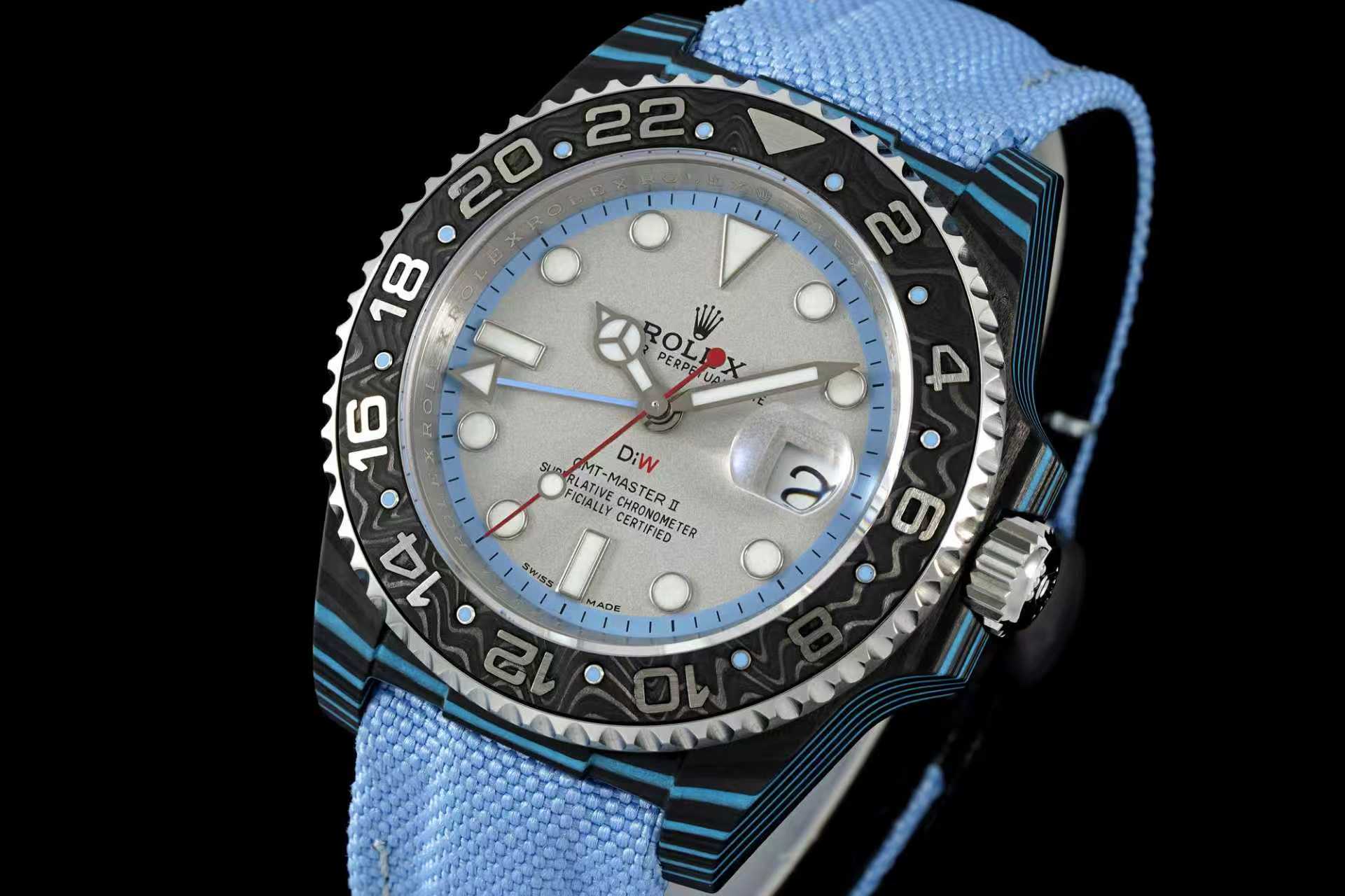
VSF – the movement specialist
VSF has focused on the internal mechanics, and it shows. Their 3285 movement is smoother to wind, quieter in operation, and generally more stable out of the box. The date change is crisp, and the GMT hand jumps exactly as it should. In terms of the movement, VSF is currently the best you can buy.
However, VSF’s external quality is not always consistent. The brushing on their bracelets can be slightly too aggressive, and the polished surfaces do not always have the same depth as Clean’s. The bezel insert is also a step behind. The colour of the blue and black on their GMT insert is good, but the numbers do not have the same metallic pop. In a side-by-side comparison, Clean’s insert looks richer.
The actual impact on daily wear
Here is where the theoretical differences become practical. If you wear the watch every day and look at it multiple times per hour, the external finish matters more than the movement’s internal tolerance. You see the bezel, the dial, and the bracelet constantly. You only feel the winding movement when you take the watch off and wind it in the morning. For most buyers, Clean’s external advantage outweighs VSF’s internal advantage.
But if you are the type of person who notices the crown winding resistance and enjoys the mechanical feedback of a well-built movement, then VSF is the better choice. I personally own a VSF for the movement, but I have also worn a Clean for extended periods and would not hesitate to recommend it to a friend. The difference is real, but it is not dramatic. Both are good enough that you will be satisfied as long as you know what you are buying.
My recommendation based on experience
If you are buying your first high-end clone, go with Clean Factory. The external finish will impress you immediately, and the movement is reliable enough for daily wear. If you already own a few clones and want something that feels more refined mechanically, then choose VSF. You will appreciate the smoother winding and the quieter rotor, and you will be willing to tolerate the slightly less perfect case finish.
Why Movement Specs Are Overrated for Most Buyers
I see this mistake constantly. Buyers obsess over the power reserve, the beat rate, the number of jewels, and the amplitude reading on a timegrapher. They compare clones based on these numbers as if they were buying a genuine Rolex. This is not how the real world works, and it leads to unnecessary anxiety and disappointment.
What this obsession looks like
A common pattern is for a buyer to receive their watch, immediately check it on a timegrapher, and see an amplitude of 260 degrees or a beat error of 0.5 milliseconds. Then they panic and start posting on forums asking if the watch is defective. In reality, those numbers are completely normal for a freshly manufactured clone movement. The genuine movement is adjusted to tighter tolerances, but the clone is not built to the same standards, and it does not need to be.
Why this happens
The marketing around clone watches often emphasizes movement specifications because they are easy to quantify. It is simple to say “70-hour power reserve” or “28800 bph” and impress a buyer. These numbers give buyers a sense of reassurance and value. But they do not tell you how the watch performs on your wrist, and they do not predict how long the watch will last.
The actual impact on your experience
Here is what actually matters when you wear a replica rolex watches every day. Does the watch keep time within 10 seconds per day? Yes. Does the GMT hand align properly with the hour markers? Yes. Does the bezel rotate with a satisfying click? Yes. Does the date change at midnight without dragging? Yes. If all of these are working, the movement specs are good enough.
What matters far more is the crystal, the bezel action, the clasp, and the lume. These are the features you interact with dozens of times per day. A watch with a perfect movement and a cheap crystal will look wrong under any light. A watch with an average movement and a high-quality crystal will look great and fool almost everyone. You should allocate your attention to the things that are visible and tactile, not to internal numbers that are meaningless in daily use.
Three Mistakes I See First-Time Buyers Make
After six years of buying and selling, I have made every mistake on this list myself. These are the traps that cost people money and frustration, and they are entirely avoidable.
Mistake 1: Believing that the “clone” label guarantees quality
The term 1:1 is thrown around so casually that it has lost most of its meaning. Many sellers will call a watch 1:1 when it has a cheap movement, a misaligned bezel, and a date window that sits too far to the right. These sellers rely on the buyer’s desire for a bargain and the buyer’s lack of reference points.
The truth is that a true 1:1 clone from a reputable factory costs between $450 and $650. Anything significantly cheaper is usually a lower-tier product with generic parts. The bezel insert will look like a toy, the crystal will glare, and the bracelet will feel tinny. You are not saving money. You are buying something that you will stop wearing after two weeks.
Mistake 2: Overlooking the dial and the hands
This is a subtle one. The easiest way to spot a clone is to look at the dial at a slight angle under natural light. The printing on a genuine dial has a specific depth and clarity that most clones cannot replicate. The date wheel font is another common giveaway. If the numbers are too thick or too thin, the watch is immediately identifiable.
When you are comparing quality rolex replicas, look at the dial first. Look at the coronet on the 12 o’clock marker. Look at the gap between the date numbers and the edge of the window. These are the details that matter. A good factory like Clean or VSF gets these right. A budget factory does not.
Mistake 3: Ignoring the clasp and bracelet feel
Many buyers focus entirely on the case and the dial and assume the bracelet is fine. It is not. The bracelet is the most heavily handled part of the watch, and it is often the first thing to show wear. A good clone has a bracelet that feels solid and flexible at the same time. The clasp should open and close with a firm click, not a rattling one.
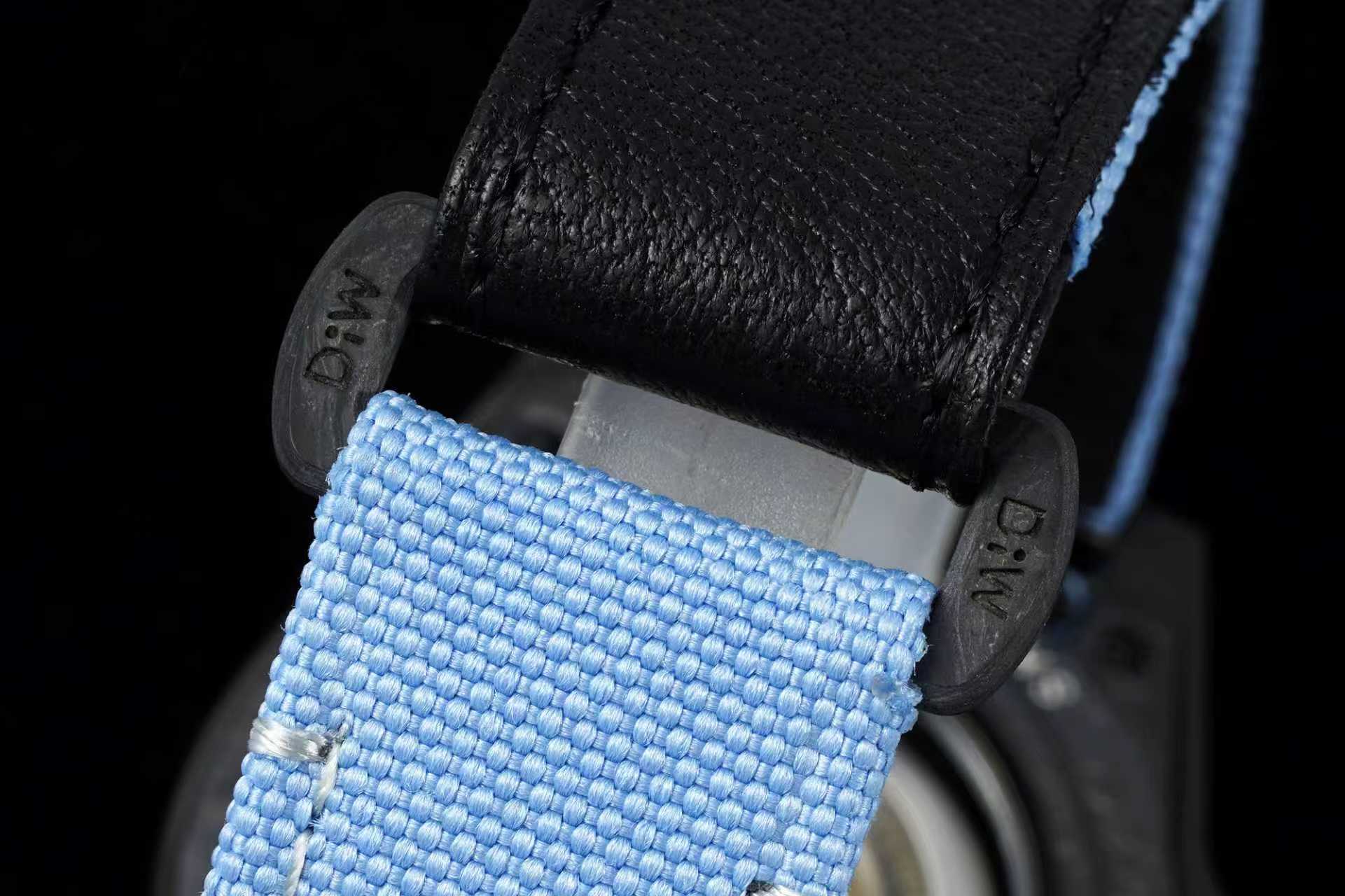
Check the gap between the bracelet links. If the gap is too wide, the bracelet will pull at your arm hair. If the gap is too tight, the links will bind and the watch will feel stiff. The best clones get this right. The cheap ones never do, and you will feel the difference within the first hour of wearing the watch.
The Wrist Test vs The Macro Test – Which One Matters for Daily Wear?
This is a distinction that I have only fully understood after owning several clones. The macro test is what you do with a loupe or a macro lens. You look at the rehaut alignment, the engraving depth, the color of the lume, and the spacing of the markers. The wrist test is what you do when you are actually wearing the watch. You look at it from a normal distance, in normal lighting, and you ask yourself if it looks like a Rolex.
Why the macro test is misleading
When you view a watch under 10x magnification, you see every imperfection. You see the slightly uneven curve of the GMT hand, the tiny particles of dust under the crystal, and the slightly off-center printing on the date wheel. These details exist on every clone, including the best ones. They also exist on many genuine watches, but they are less noticeable because the tolerances are tighter.
The problem is that the macro test does not reflect reality. No one looks at your watch with a loupe. No one holds your wrist six inches from their face and inspects the rehaut alignment. The macro test tells you about the craftsmanship, but it does not tell you how the watch will appear in the wild.
Why the wrist test is what you should care about
The wrist test is practical. You put the watch on your wrist, stand in front of a mirror, and look at it from arm’s length. You hold your hand out and angle it slightly, as you would when checking the time. You walk through a room with overhead lighting and notice how the crystal catches the light. You compare the watch to a genuine reference if you have one, or you simply trust your own eyes.
In my experience, the best clones pass the wrist test easily. They look like genuine Rolexes from any normal viewing distance, and they feel substantial on the wrist. The macro test will reveal flaws, but those flaws are invisible in daily use. The only time they matter is if you are a collector who enjoys scrutinizing every detail for its own sake.
What I do when evaluating a watch
I start with the wrist test. I wear the watch for a full day and observe how it looks in different environments. I check it at a coffee shop, at my desk, and outside in the sun. If it passes the wrist test, I move to the macro test to confirm that there are no glaring errors. If there are minor imperfections, I accept them because they do not affect the daily experience. If there are major ones, I return the watch and try a different batch.
My Buying Checklist (And What I Ignore)
After all of this, you might be wondering what I actually look for when I decide to buy. Here is my personal checklist, and I have used it for every purchase I have made in the last three years.
What I check
The first thing is the crystal. I look for a clear, distortion-free crystal with a proper AR coating. If the crystal is cloudy or glares excessively, I skip the watch regardless of the movement. The second thing is the bezel action. It should rotate with a distinct click, and the alignment should be perfect at 12 o’clock. The third thing is the bracelet. I wear the watch for a few minutes and feel how the links move. If the bracelet is comfortable and does not pull my arm hair, I proceed.
What I ignore
I ignore the timegrapher readings. I do not care if the amplitude is 260 or 280, and I do not care if the beat error is 0.3 or 0.6. I ignore the power reserve numbers after the first test, and I ignore the number of jewels. These specs are useful for a watchmaker, but they are irrelevant to me as a wearer.
Where I buy
I have purchased from several sources over the years, and I have settled on one that consistently delivers what it promises. I buy from replicafactory.cx because they have a reliable track record of shipping the correct factory versions and they regulate the movement before shipping. This saves me the hassle of finding a specialist immediately, and it means I can wear the watch right out of the box without worrying about accuracy.
The final rule
The final rule I follow is simple. I buy the watch for how it makes me feel, not for how it measures on a machine. A watch that looks beautiful and wears comfortably is a good watch. A watch that scores well on a timegrapher but looks cheap on the wrist is not a good watch. You should apply the same rule to your own purchases, and you will save yourself a lot of anxiety and money.
Frequently Asked Questions
▼
From what I have seen, VSF’s 3285 is slightly better built internally, and it tends to maintain its accuracy longer between services. Clean’s version is also reliable, but the rotor bearing can develop noise after 18 months of daily use. If you plan to wear the watch every day, VSF is the safer bet.
▼
No. A regular watchmaker will not have the parts or the knowledge to work on a clone movement. You need to find a specialist who explicitly accepts clone watches. Some buyers choose to treat the watch as a disposable item and replace it when it stops, which is a valid approach.
▼
The best bezel inserts from Clean Factory are roughly 90 to 95 percent close to the genuine insert in daylight. Under artificial light, the platinum coating can look slightly different. VSF’s insert is about 85 to 90 percent close. Neither is identical, but both are very hard to spot without a direct comparison.
▼
From my own experience and from what other buyers have reported, the average delivery time is about 10 to 14 business days after payment confirmation. Shipping is tracked, and the packaging is discreet. I have never had a package held up in customs, but that depends on your country’s regulations.
▼
The easiest way is to ask the seller for proof of purchase or a shipment photo that shows the factory packaging. A reputable seller like replicafactory.cx will provide this. Also, check the serial number on the case. Clean uses a specific serial format that changes periodically, and VSF uses a different one. If the seller cannot verify the source, I would be cautious.
▼
No, but it is close. The genuine movement has a smoother winding action because the gears are finished to a higher standard. The clone has a slightly rougher feel, especially during the first few weeks of use. After a break-in period of two to three weeks, the winding action improves noticeably.
▼
With good care and proper winding, I expect a 3285 clone to last between three and five years before it needs servicing. If you service it with a specialist, you can extend that to eight to ten years. Without servicing, the watch will eventually stop running, and you will need to replace it.
▼
If you are buying now, I strongly recommend the 3285. The 3186 clones are older designs, and their power reserve is significantly shorter. The 3285 gives you a modern watch that behaves like a modern genuine Rolex. The extra cost is entirely justified by the improved performance and convenience.